Discover how dental implants work, explore affordable care options, and see detailed solutions tailored for every age group—from 25 to over 75. Learn how implants restore confidence, improve oral health, and provide lasting comfort for seniors and younger adults alike.
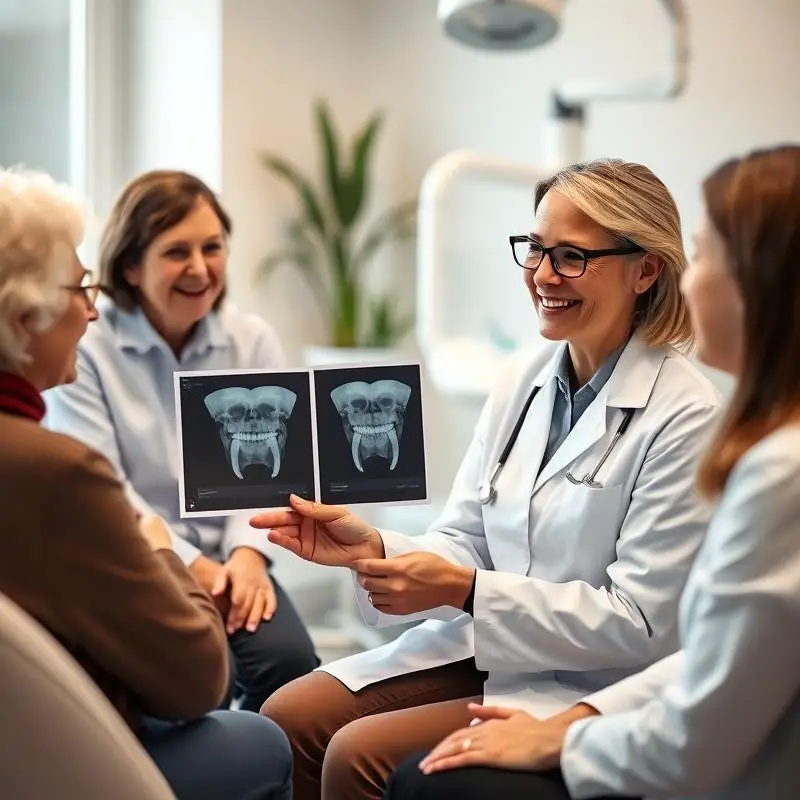
Understanding Dental Implants and How They Work
Dental implants have transformed modern dentistry by offering a reliable, long-term solution for missing teeth. Designed to look, feel, and function like natural teeth, these implants consist of a titanium post that integrates with your jawbone, providing a strong foundation for artificial teeth. Once placed, the post fuses with the bone through a natural process called osseointegration, ensuring stable support and durability. The final result—a custom crown—blends seamlessly with your smile.
Learning how dental implants work helps you make an informed decision about your care. By understanding the benefits and maintenance requirements, you can feel confident in pursuing treatment options that suit your budget and stage of life.
Why Choose Affordable Dental Implants
Many people believe dental implants are costly, but affordable dental care options are available today. Clinics and dental service organizations have developed flexible pricing plans, financing solutions, and insurance partnerships to make implants more accessible. Affordable dental implants don’t mean lesser quality; advancements in technology and materials now deliver durable results for all budgets.
If you’ve been delaying treatment due to cost concerns, exploring affordable solutions might open the door to improved oral health and self-confidence. You can compare pricing, verify insurance eligibility, and inquire about in-house payment plans with your local dentist or implant specialist.
Dental Implants for Seniors
Seniors often face unique dental challenges—bone thinning, gum recession, or shifting teeth. Dental implants for seniors offer enhanced comfort, stability, and improved chewing ability. Unlike dentures, which can slip or irritate the gums, implants restore a natural feel and appearance. They also help preserve facial structure by preventing bone loss around the jawline.
For seniors worried about healing or bone density, advanced techniques such as mini implants and bone grafting can increase success rates. Many clinics specialize in senior-friendly implant options, ensuring that age does not limit the opportunity to enjoy a full, confident smile.
Affordable Dental Care Options by Age Group
Choosing dental care options tailored to your age ensures both effective treatment and long-term oral health. Here’s what each age group can consider when exploring implant solutions:
- 25–35 years old: This group often focuses on replacing teeth lost due to injury or decay. Early implants protect surrounding teeth from shifting and help maintain strong jawbone structure. See details.
- 35–45 years old: Maintaining healthy gums becomes a key factor. Patients in this stage can benefit from single-tooth implants or small bridges to replace missing teeth efficiently. See details.
- 45–55 years old: Bone support may start weakening, but implants remain an excellent choice. Your dentist may recommend bone grafting or a full-mouth restoration plan. See details.
- 55–65 years old: Many individuals seek dental implants for comfort and aesthetics, particularly if wearing dentures. Implants enhance speech clarity and oral stability. See details.
- 65–75 years old: Seniors regain full bite function and the confidence to eat and smile freely. Implant-supported dentures minimize maintenance and improve daily comfort. See details.
- Over 75 years old: With advancements in dental technology, even patients over 75 can successfully receive implants. Careful evaluation ensures bone stability and overall wellness before treatment. See details.
Step-by-Step: The Dental Implant Process
Understanding the implant process makes each stage less intimidating. Generally, your journey follows these steps:
- Consultation and examination: A specialist evaluates your oral health, takes X-rays, and discusses treatment goals.
- Implant placement: The dentist surgically embeds a titanium post in your jawbone under local anesthesia.
- Healing and integration: The post fuses with your bone—a process lasting several weeks to months.
- Abutment placement: After healing, a connector (abutment) is added to support your new crown.
- Final restoration: A custom crown or bridge completes your natural-looking smile.
The procedure is highly predictable, with success rates typically exceeding 95% among healthy patients.
Tips to Maintain Your Dental Implants
Proper care ensures your implants last decades. Here are some key maintenance tips:
- Brush and floss daily using non-abrasive toothpaste.
- Schedule biannual dental checkups for professional cleaning and assessment.
- Avoid smoking and reduce sugary foods that can affect gum health.
- Use a soft-bristled brush and interdental cleaners to remove plaque around implant posts.
Your dentist might recommend specialized tools or water flossers to simplify cleaning routines, especially for older adults or those with dexterity challenges.
How to Find Affordable Dental Implant Providers
Locating the right provider is critical for successful treatment. Begin by researching accredited dental clinics near you or exploring national directories from the American Dental Association. Many dental schools offer reduced-cost implant programs supervised by experienced professionals. Ask potential providers about pricing transparency, consultation fees, and warranty coverage. Always confirm credentials and patient testimonials to ensure quality care.
Key Takeaways
Dental implants are a lasting investment in your health and confidence. Whether you’re 25 or 75, affordable options make this treatment accessible to nearly everyone. Seniors benefit from restored comfort and chewing stability, while younger patients preserve bone health and avoid overcrowding. By learning how dental implants work and exploring available care options, you can take the first step toward a brighter, healthier smile.