Discover vital information on diabetes, including 7 early warning signs, ideal morning blood sugar levels for type 2, safe hot and cold drinks, latest type 2 findings, and clinical trials. Empower yourself with what you need to know to manage or prevent diabetes effectively and take action today.
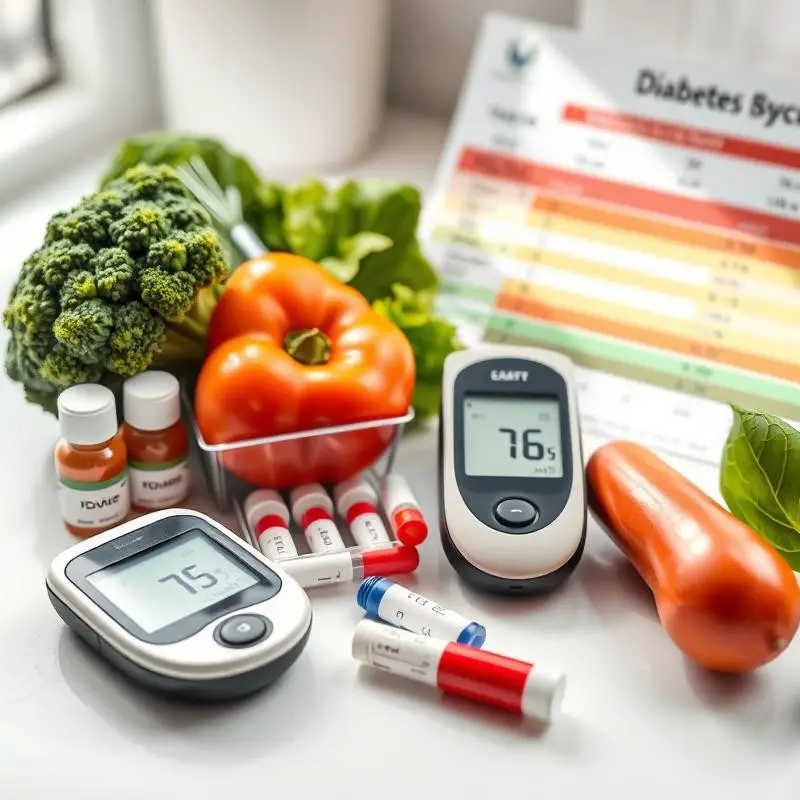
Essential Diabetes Knowledge
Diabetes affects millions, but understanding key facts can change everything. What you should know about diabetes starts with recognizing its impact on daily life, from blood sugar control to lifestyle choices. This guide covers critical insights, helping you navigate the condition with confidence.
Whether you’re newly diagnosed or supporting a loved one, grasping the basics empowers better decisions. Recent studies highlight evolving management strategies, making it crucial to stay informed on new findings.
7 Warning Signs of Early Diabetes
Spotting early diabetes symptoms can prevent complications. The 7 warning signs include frequent urination, excessive thirst, unexplained weight loss, constant hunger, fatigue, blurred vision, and slow-healing sores. These signals often appear subtly at first.
Learn more about 7 warning signs of early diabetes by monitoring these closely. If you notice several, consult a healthcare provider promptly. Early detection through these indicators can lead to timely interventions.
- Frequent urination, especially at night
- Intense thirst despite drinking enough
- Sudden weight loss without diet changes
- Fatigue that rest doesn’t relieve
- Blurred vision or headaches
- Tingling in hands or feet
- Slow-healing cuts or frequent infections
Morning Blood Sugar Levels for Type 2 Diabetes
For someone with type 2 diabetes, what should blood sugar level be in the morning? Target fasting levels are typically 80-130 mg/dL before meals, as recommended by major health organizations. Consistency here supports overall control.
Achieving this requires evening habits like balanced dinners and avoiding late snacks. Regular testing with a glucometer helps track progress. Deviations signal a need for adjustments in medication or diet.
Consult your doctor for personalized targets, especially if levels consistently exceed 130 mg/dL. Lifestyle tweaks, combined with monitoring, keep mornings stable and energy steady.
Safe Hot and Cold Drinks for Diabetics
What hot and cold drinks can diabetics have? Opt for unsweetened herbal teas like chamomile or green tea for hot options, which offer antioxidants without spiking sugar. Black coffee in moderation works well too.
For cold drinks, infused water with cucumber or lemon, or sparkling water, hydrate without carbs. Avoid sugary sodas, juices, and energy drinks. These choices maintain stable glucose while satisfying cravings.
- Hot: Unsweetened green tea, black coffee, cinnamon tea
- Cold: Sparkling water, iced herbal tea, vegetable smoothies
- Portion tip: Limit to 8-12 oz per serving
Experiment with flavors to keep hydration enjoyable. These beverages fit seamlessly into diabetes-friendly routines.
New Findings on Type 2 Diabetes
New findings on type 2 diabetes emphasize precision medicine and lifestyle interventions. Research shows gut microbiome influences insulin sensitivity, opening doors to probiotic therapies. Advances in continuous glucose monitors provide real-time data for better management.
Studies link intermittent fasting to improved A1C levels in type 2 patients. Wearable tech now predicts glucose trends accurately. These developments offer hope for non-invasive control.
Stay updated through reputable sources, as findings evolve rapidly. Applying them can enhance outcomes beyond traditional methods.
Diabetes Clinical Trials: Get Involved
Learn more about diabetes clinical trials to access cutting-edge treatments. Trials test new medications, devices, and therapies aimed at better control or reversal. Participation often means free monitoring and expert care.
Eligibility varies by age, diabetes type, and health status. Search databases for local opportunities matching your profile. Contributing helps advance research while potentially benefiting your health.
Review risks and benefits thoroughly before enrolling. Success stories from participants highlight improved management through trial innovations.
Actionable Steps for Diabetes Management
Integrate what you’ve learned into daily life. Start with a morning glucose check aiming for 80-130 mg/dL. Choose diabetes-safe drinks throughout the day.
Watch for the 7 warning signs weekly. Explore clinical trials if eligible. Track new type 2 findings via trusted health sites.
- Log daily blood sugar readings
- Prepare a drink menu from safe options
- Schedule a doctor visit for symptom review
- Sign up for trial alerts
- Review weekly progress
Next Steps and Resources
Ready to act? LEARN MORE by visiting official health portals for personalized advice. Discuss morning targets and drink choices with your physician. Early signs awareness prevents progression.
Join support groups for shared experiences. Consistent habits yield results. Empower yourself today for a healthier tomorrow.